The Alpine Silence: High-Altitude Hermitage in the Dolomites
Field notes on limestone heights, century-old timber refuges, and the spiritual clarity found above the autumn cloud bank.
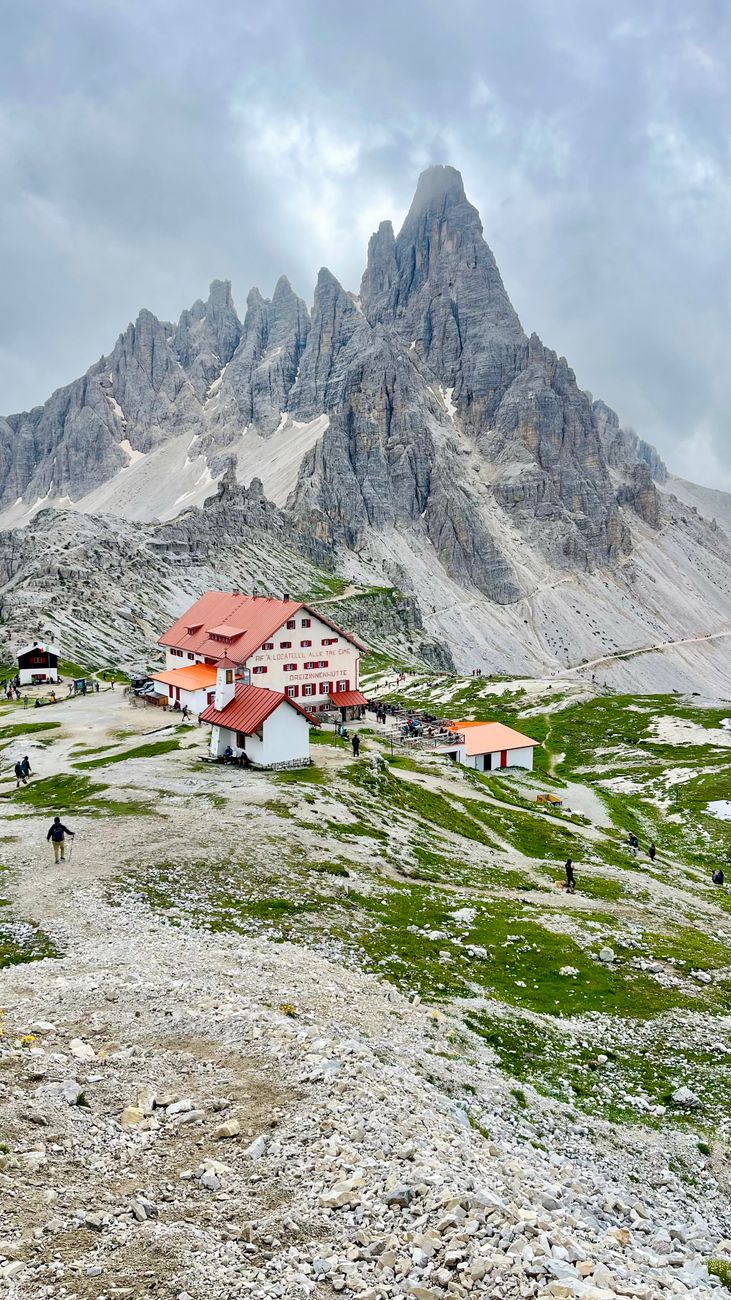
To ascend beyond the tree line of the Pale Mountains in early October is to enter a world purified of civilian noise. As the summer cable cars fall quiet and the seasonal herds descend into the Val di Fassa, the limestone monoliths reassume their primordial composure. The air tastes faintly of cold stone and dry pine needles, crisp enough to awaken every sense.
The Geometry of Refuge Architecture
For centuries, the high alpine refuges (rifugi) have served as beacons between the habitable valleys and unforgiving rock faces. Built from local larch wood and rough-hewn dolomite blocks, these structures do not fight the terrain; they anchor into it. Inside, the scent of cedar smoke from cast-iron stoves welcomes hikers who have braved the scree slopes before sunset.
"Here, elevation is not measured purely in vertical meters, but in the distance one travels from the relentless rhythm of the modern inbox."
Sitting in the quiet dining room of Rifugio Locatelli, sipping bitter herbal amaro infused with mountain juniper, one observes the evening light turn the three massive peaks of Tre Cime di Lavaredo a delicate shade of rose gold. This geological phenomenon, known locally as enrosadira, lasts mere minutes before cold indigo shadows claim the scree fields.
Preserving the High Trails
Such fragile eco-systems face dual pressures from erratic snowfall patterns and unsustainable mass day-trippers. Mindful travelers must embrace strict zero-trace ethics: packing out every gram of refuse, strictly remaining on designated chalk-marked trails, and supporting family-operated rifugi that source provisions from nearby mountain dairies.