Shadow and Cedar: The Hidden Courtyards of Kyoto
Exploring Japanese spatial refinement, interior micro-gardens (tsuboniwa), and the beauty of weathered timber.
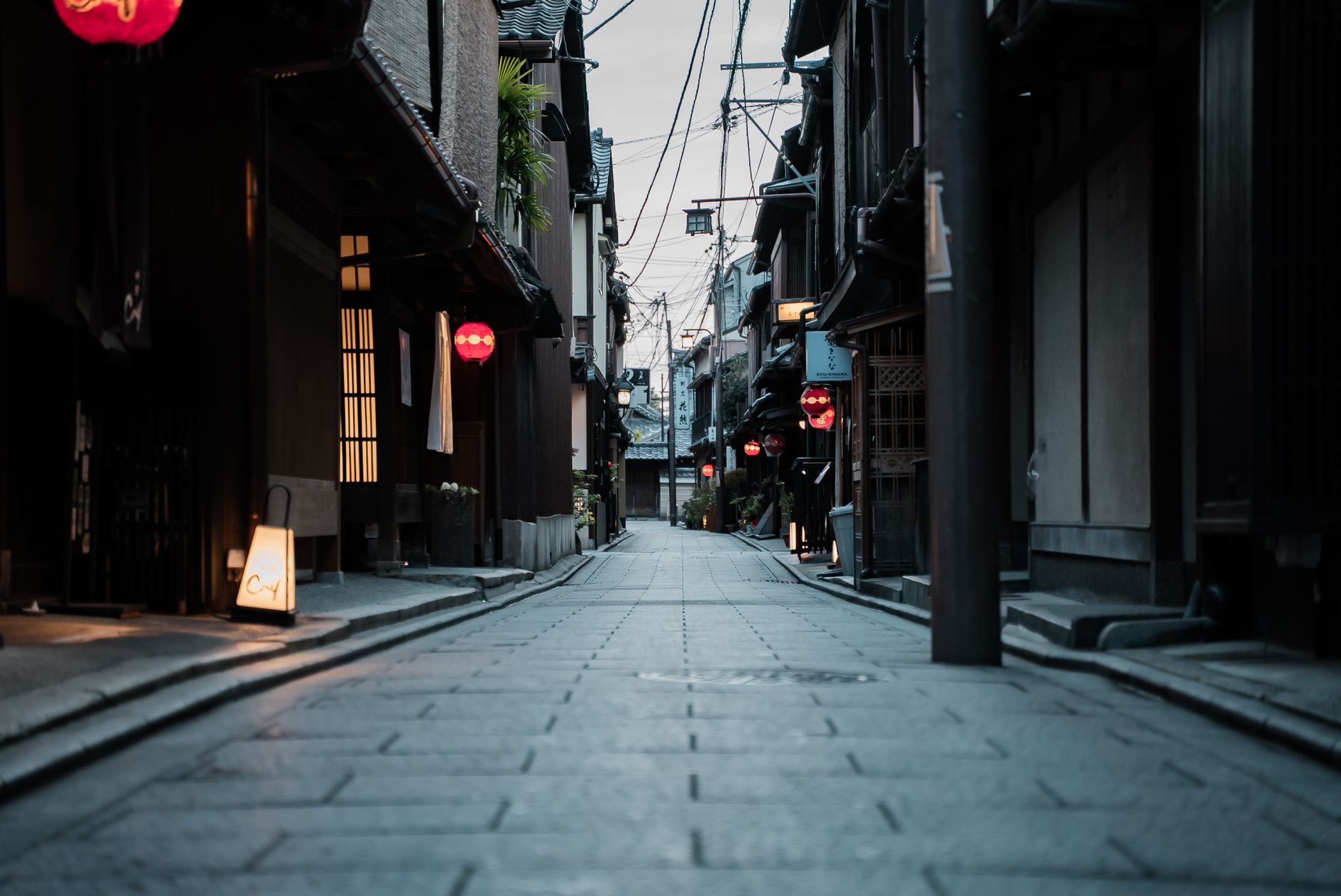
Behind narrow wooden facades along the cobblestones of Kamigyo-ku lies an intricate architecture of light and stillness. The traditional Kyoto merchant home, known as machiya, was designed with profound sensitivity to climate, privacy, and nature. From the bustling street, one steps through a low threshold into an elongated earthen hallway (tori-niwa), feeling an immediate drop in temperature and ambient decibels.
The Pocket Garden: Tsuboniwa as Sanctuary
At the physical and spiritual center of the machiya sits the tsuboniwa—a tiny courtyard garden rarely larger than two tatami mats. It contains perhaps three weathered river rocks, a stone water basin (tsukubai), and a patch of velvet moss shaded by a delicate Japanese maple. It serves as both an air conduit for summer breezes and a private portal to the seasonal passage.
"In Jun'ichirō Tanizaki's In Praise of Shadows, darkness is not the absence of light, but an active architectural medium."
Watching raindrops drip silently from cedar eaves onto dark volcanic pebbles in a Gion tea quarter brings an incomparable psychological calm. The tatami mats creak softly underfoot; shoji screens diffuse the silver afternoon mist into gentle amber luminescence.
The Stewardship of Vernacular Craft
In contemporary Japan, preserving these century-old wooden structures requires dedicated joinery craftspeople (daiku) who utilize interlocking wood joints without a single steel nail. By staying in restored heritage machiya, visitors directly fund the continuation of these sacred artisanal traditions.